-
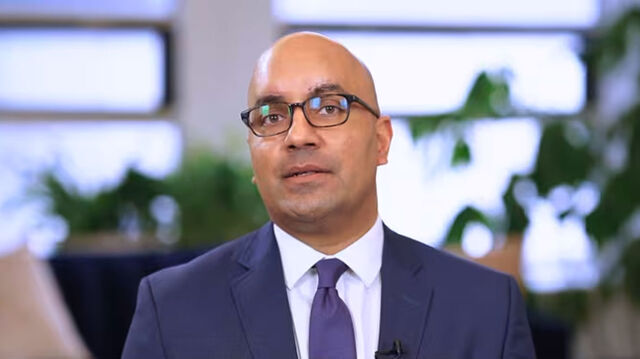
In this installment of ImpactAlpha’s “What’s Next” series in conjunction with the GIIN, Bouri covers the fifth of six Categories for Action—Education and Training—outlined in the GIIN’s Roadmap for the Future of Impact Investing, focusing on how to “multiply manyfold the number of investment professionals with an impact mindset.”
-
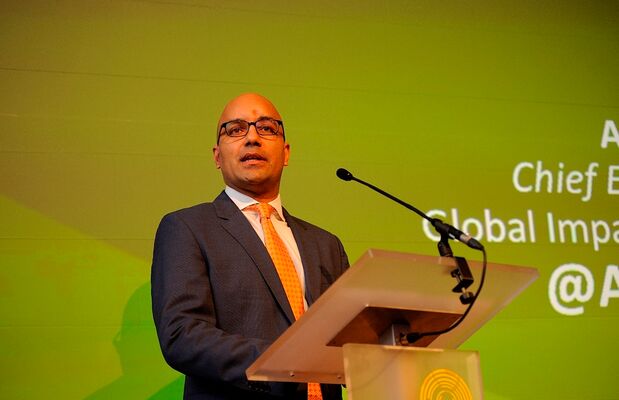
Amit Bouri calls for a greater sense of urgency to address global social and environmental challenges through impact investing. He underscores, “inaction costs, not just in money but in people’s lives. Time matters.”
-
The GIIN is spearheading a conversation with ImpactAlpha about the impact investing movement. The series offers ideas for how impact investing leaders will need to take action to shape a new future for the financial markets.
-
Amit Bouri talks about his vision for the future of the financial markets and why change is needed. Learn more about this vision and the GIIN's Roadmap for the Future of Impact Investing here: https://roadmap.thegiin.org/
-
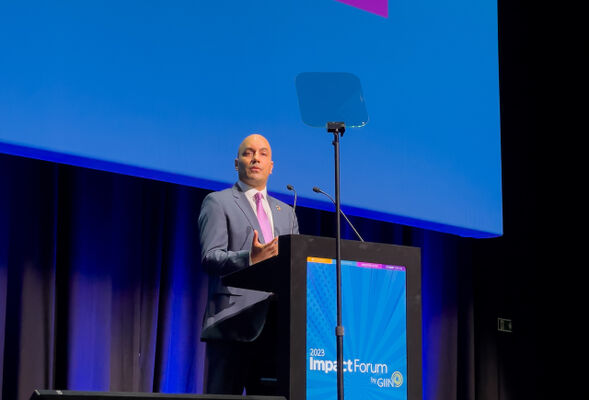
GIIN research continues to find that the impact investing industry is growing, with more players entering the market each year. Amit Bouri comments on how we all can view this momentum as a movement, one whose goal is to harness investment capital to change the world.
-
The impact investing community must actively move toward greater coordination and streamlining of IMM practice if we are to effectively use capital to address, and ultimately solve, the most critical social and environmental problems facing our world today. The GIIN is committed to working with other field-builders to further advance impact measurement and management practice by developing guidance, reducing fragmentation, and promoting best practices.
-
In recognition of the 10th anniversary of the coining of the term “impact investing”, the GIIN has been reflecting on the market’s progress to date and the work still left to be done. GIIN Strategy Director Sapna Shah spoke with these three industry pioneers, whose actions have helped establish the impact investing industry over the last ten years.
-
Growing data on financial performance confirms that market rates of return are possible. Increased transparency around both financial and impact performance will enable financial advisors to make more informed decisions for clients, and give more investors the confidence to enter the space.
-
The GIIN reviews capacity-building practices of 31 investors, and urges greater knowledge-sharing and collaboration, especially in emerging markets.
-
The GIIN encourages readers to recognize the role they can play in completely reinventing the capital markets for greater social/environmental impact.
-
The GIIN reminds readers that we have nowhere near the capital needed to tackle the problems targeted by the Sustainable Development Goals. The ask is for large scale investors to be more transparent about their investment criteria, product developers to respond to those criteria, and for more co-creation of large-scale investment products.
-
The GIIN welcomes new players who want to invest with impact, recognizing that not all will qualify as impact investors. A broader set of investors must be engaged if we are to match the scale of support needed by people and planet. Part of the GIIN’s role is providing impact-curious investors with the necessary information and networks to become impact investors.